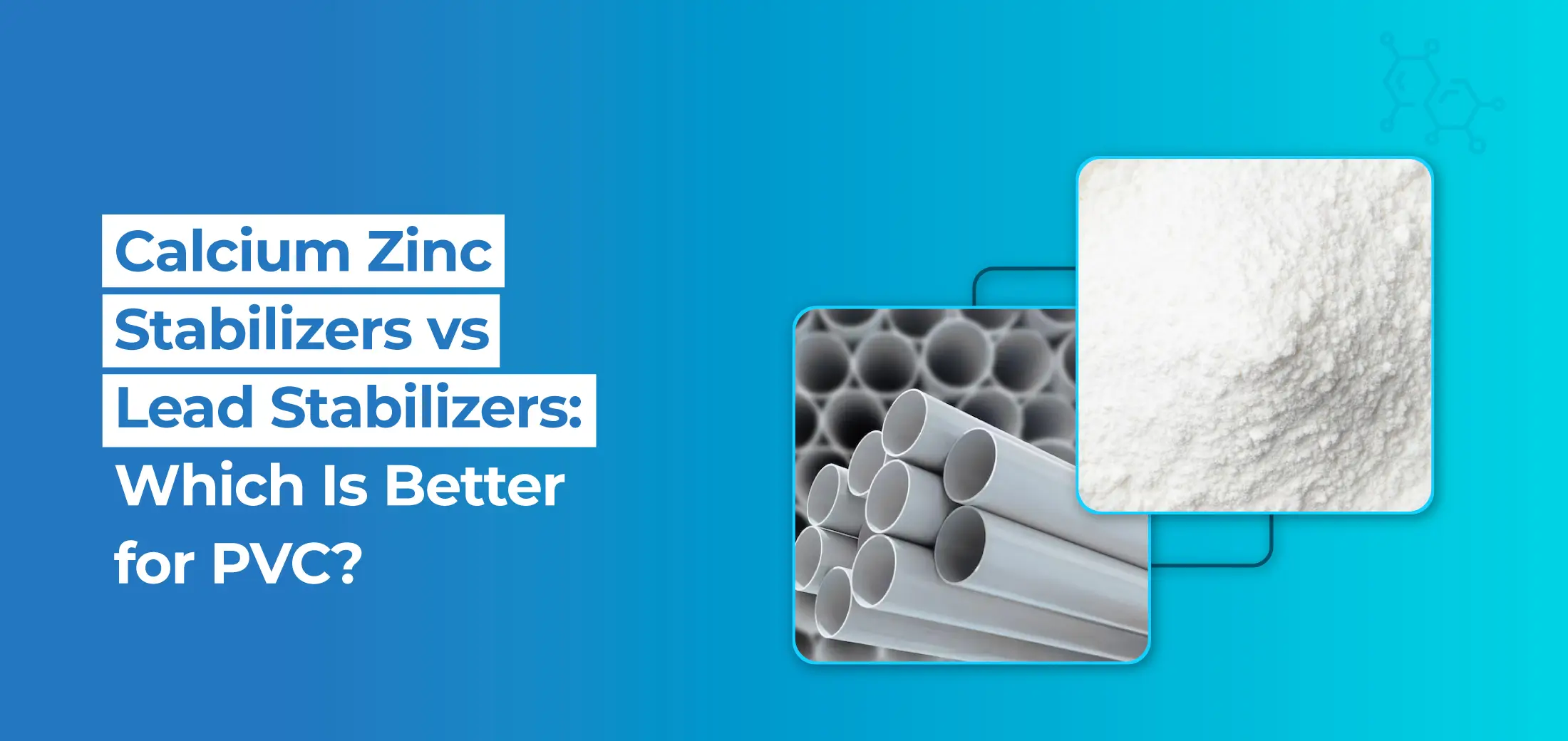
Polyvinyl Chloride (PVC) is one of the world's most widely used plastics, found in products ranging from pipes and profiles to cables and films. During processing and use, PVC can degrade due to heat and release hydrochloric acid (HCl), which weakens the polymer. Heat stabilizers are essential additives that protect PVC against thermal and photo-oxidative degradation during extrusion, molding or calendaring. Traditionally, lead-based stabilizers dominated the market, but calcium-zinc (Ca/Zn) stabilizers are increasingly preferred due to safety and environmental concerns.
In this blog, we'll compare these two major stabilizer systems and highlight how Nimbasia's products fit into the PVC industry's transition to safer, higher-performance additives.
What Are Lead Stabilizers?
Lead stabilizers (such as lead stearate, lead salts and lead soaps) historically offered excellent heat stability and long processing windows, making them popular in rigid PVC applications like pipes, profiles and wire insulation. They are effective at neutralizing the HCl released during PVC processing and help maintain mechanical and thermal properties throughout manufacturing. However, because they contain toxic heavy metal lead, their use has been increasingly restricted in many markets due to health and environmental concerns.
What Are Calcium-Zinc Stabilizers?
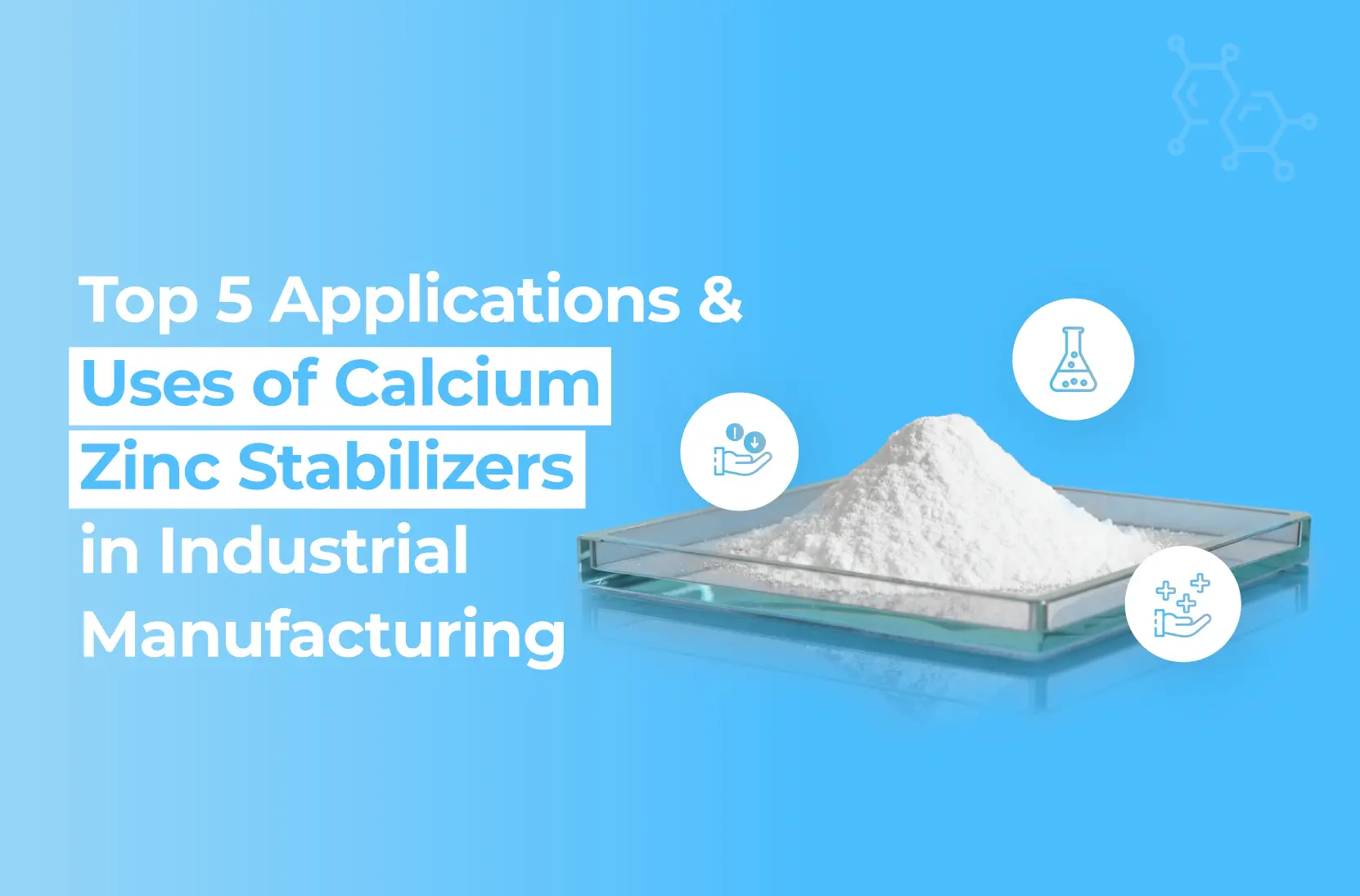
Calcium-zinc stabilizers are non-toxic heat stabilizers composed of calcium and zinc salts (often stearates and related compounds). They work synergistically: calcium scavenges released HCl, and zinc helps inhibit degradation and preserve polymer integrity. Importantly, they do not contain heavy metals, making them compliant with modern environmental and safety regulations.
Key Comparison: Calcium Zinc vs Lead Stabilizers
| Feature | Lead Stabilizers | Calcium Zinc Stabilizers |
|---|---|---|
| Toxicity | Highly toxic, environmental hazard | Low toxicity, eco-friendly |
| Regulatory Status | Restricted in many regions | Meets modern environmental standards |
| Thermal Stability | Excellent long processing window | Good but slightly narrower window |
| Processing Requirements | Less sensitive to temperature | Requires tighter control |
| Clarity & Appearance | Poor transparency potential | Better colour stability and weather resistance |
| Applications | Many traditional PVC products | Versatile, especially where safety is key |
| Cost | Generally lower upfront cost | Higher grade performance costs |
Toxicity and Safety: Lead stabilizers pose significant health risks and environmental issues due to lead's toxicity and potential bioaccumulation. Calcium zinc stabilizers are considered safe alternatives suited for applications like food-contact packaging, medical devices, profiles, and outdoor products where regulatory compliance is critical.
Thermal Stability & Performance: Lead stabilizers often deliver slightly superior long-term thermal stability and wider processing windows, making them reliable for some rigid PVC applications. Calcium zinc systems provide efficient stability and high weather resistance, though they can be more sensitive to processing parameters.
Regulatory and Environmental Trends: Ongoing regulatory pressure and sustainability goals are driving the PVC industry away from lead. Calcium zinc stabilizers align with global restrictions on hazardous substances, and their adoption is increasing worldwide.
Why Calcium-Zinc Is Often the Better Choice Today?
For the majority of modern PVC applications, calcium zinc stabilizers represent a superior balance of performance, safety, and compliance:
- Non-toxic and eco-friendly - free from heavy metals and compliant with RoHS and REACH-style standards.
- Good thermal and weather stability - suitable for pipes, profiles, cables, and films.
- Better clarity and colour retention - beneficial in visible or decorative PVC products.
- Flexible application scope - from rigid to flexible PVC formulations.
This makes Ca/Zn stabilizers especially popular where product safety and sustainability are priorities. The slightly higher cost is often offset by reduced environmental compliance costs and better end-product performance.
Key Players in Stabilizers
Among the companies championing the shift to safer stabilizers is Nimbasia Stabilizers, a leading manufacturer of stearates, stabilizers, additives and lubricants. With over 30 years of experience, Nimbasia produces a comprehensive range of metallic stearates, mixed metal stabilizers, lubricating agents and dispersions used across PVC and other polymer industries.
Nimbasia's Calcium Zinc Stabilizer Products
Nimbasia's mixed metal stabilizers, particularly Calcium-Zinc stabilizer formulations, are engineered to deliver:
- High thermal stability and processing performance for PVC extrusion and molding.
- Non-toxic, heavy-metal-free compositions addressing environmental and health regulations.
- Optimised whiteness, surface finish and long-term stability, suitable for pipes, profiles, cables and films.
Their products are formulated with precise blends of calcium stearate, zinc stearate, and co-stabilizers, along with internal and external lubricants to enhance processing performance.
Beyond Stabilizers: Additives and Lubricants
In addition to stabilizers, Nimbasia manufactures a wide range of metallic stearates (such as calcium, zinc, aluminium stearates), lubricating agents (including waxes and amides), antistatic agents and liquid dispersions that are critical in PVC processing and other polymer applications.
This expansive product portfolio allows PVC manufacturers to source a full suite of additives from a single supplier, ensuring consistent quality and performance across formulations.
Integrating Additives for Optimal Performance
Modern PVC stabilization often involves a combination of stabilizers, stearates, lubricants, and dispersions. Key points:
- Stearates improve compatibility and dispersion of stabilizers
- Lubricants enhance processability and surface finish
- Additive combinations can optimize thermal stability and prevent degradation
Subtle integration of these components allows manufacturers to produce PVC that is more durable, visually appealing, and compliant with modern standards.
Industry Insight: Advanced PVC Stabilizer Solutions
Leading additive suppliers, including companies like Nimbasia Stabilisers, provide comprehensive solutions for PVC processing. They manufacture calcium-zinc stabilizers, metallic stearates, lubricants, and dispersions, which are designed to:
- Improve processing stability and surface finish
- Enhance long-term thermal performance
- Support regulatory compliance and sustainability
These products reflect broader industry trends toward safer, high-performance PVC additives.
Conclusion: Choosing the Right Stabilizer
The choice between calcium-zinc and lead stabilizers ultimately depends on your application, performance requirements, and regulatory landscape:
- Lead stabilizers remain strong where cost and maximum thermal stability are required - but their toxicity and regulatory limitations increasingly restrict their use.
- Calcium-zinc stabilizers offer a modern, safer solution that aligns with sustainability goals and regulations, making them a better fit for most current PVC applications.
Companies like Nimbasia Stabilisers are leading the charge in this transition, providing advanced Ca/Zn stabilizer solutions along with lubricants, metallic stearates, and polymer additives that help manufacturers produce safer, high-performance PVC products.
Whether you are designing PVC pipes, profiles, cables, or films, evaluating stabilizer systems with both performance and sustainability in mind will future-proof your products and align them with global trends in materials science and regulation.