Metallic stearates may be small components in industrial formulations, but their impact on product performance, processing efficiency, and quality is significant. From plastics and rubber to pharmaceuticals and coatings, these versatile compounds play a critical role across industries.
In this comprehensive guide, we explore what metallic stearates are, their properties, types, and how they are used in various industrial applications.
What Are Metallic Stearates?
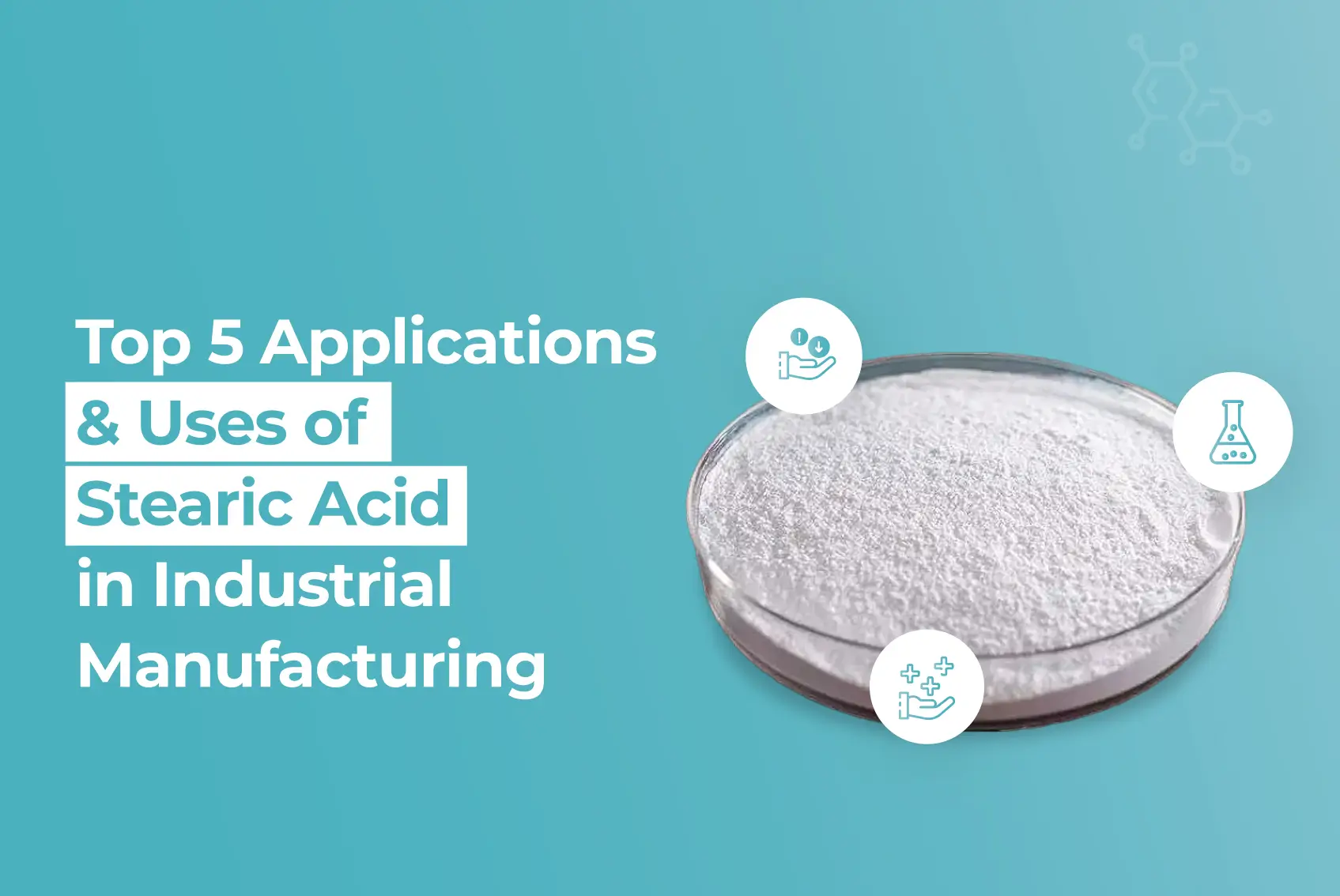
Metallic stearates are metal salts of stearic acid, a long-chain fatty acid derived from vegetable oils or animal fats. These compounds are commonly referred to as metal soaps and include variants such as:
- Calcium Stearate
- Zinc Stearate
- Magnesium Stearate
- Aluminum Stearate
- Lithium Stearate
Each type offers unique functional properties depending on the metal used.
Key Properties of Metallic Stearates
Metallic stearates are widely used because of their multifunctional characteristics:
1. Lubrication
They form a thin film between surfaces, reducing friction and improving processing efficiency-especially in plastics and rubber manufacturing.
2. Thermal Stabilization
Certain stearates (like calcium stearate) improve heat resistance, preventing degradation during high-temperature processing.
3. Mold Release
They act as release agents, ensuring smooth removal of molded products without sticking.
4. Dispersibility
Metallic stearates help evenly distribute pigments, fillers, and additives in formulations like paints and coatings.
5. Water Repellency & Anti-Caking
Their hydrophobic nature prevents moisture absorption and powder clumping.
Types of Metallic Stearates & Their Functions
Calcium Stearate
- Excellent thermal stability
- Acts as a stabilizer and lubricant
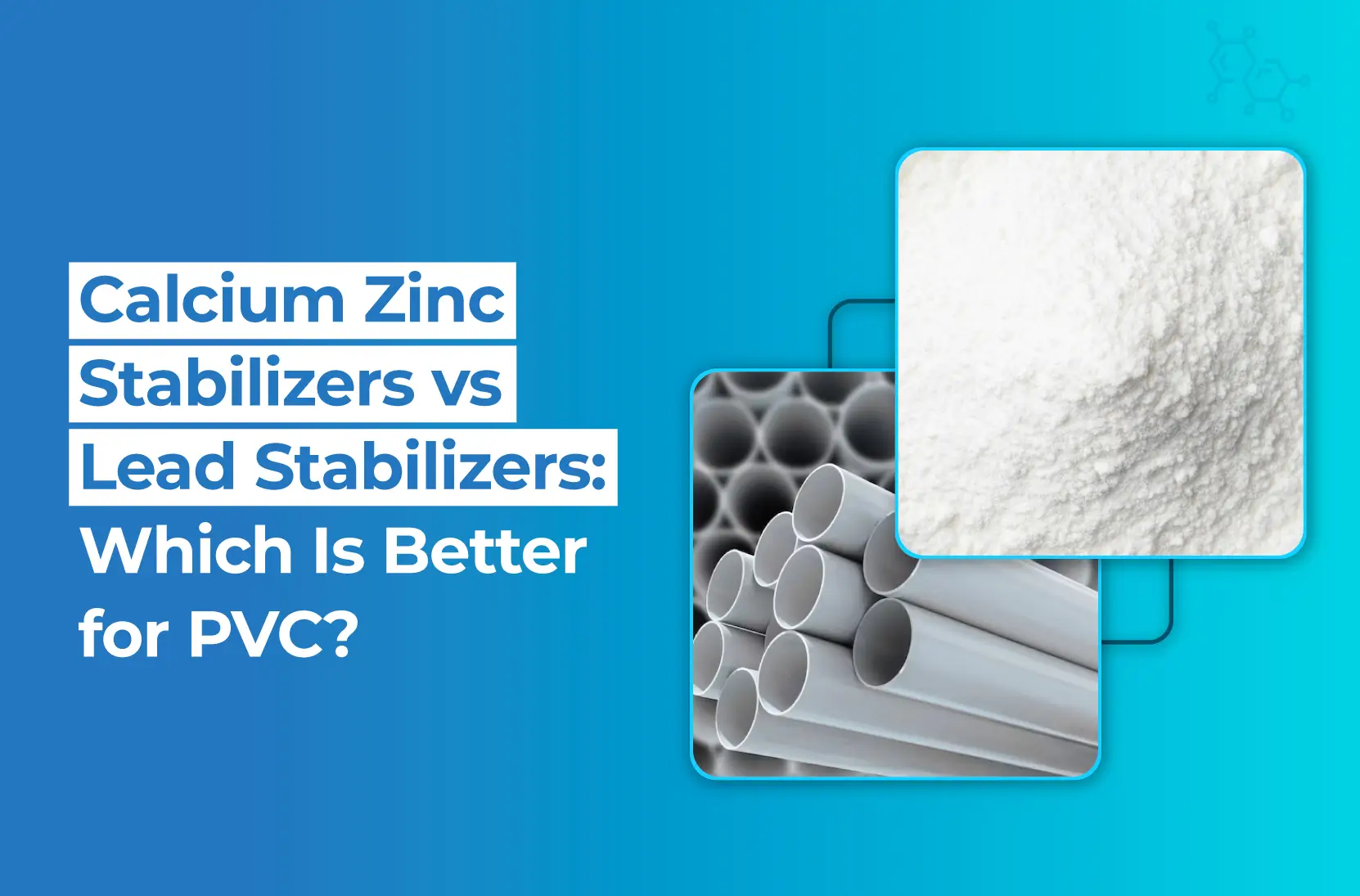
- Widely used in PVC and construction materials
Common applications: PVC pipes, profiles, and cables; Cement additives; Food and pharmaceutical flow agents
Zinc Stearate
- Superior mold release properties
- Excellent surface finish enhancer
- Hydrophobic and lubricating
Common applications: Plastics and rubber processing; Paints and coatings (flatting agent); Cosmetics and pharmaceuticals
Magnesium Stearate
- High-performance lubricant
- Ideal for precision manufacturing
Common applications: Pharmaceutical tablets and capsules; Cosmetics and personal care
Aluminum Stearate
- Thickening and stabilizing agent
Common applications: Paints, coatings, inks
Lithium Stearate
- High-temperature resistant
Common applications: Greases and lubricants for industrial machinery
Industrial Applications of Metallic Stearates
1. Plastics Industry
Metallic stearates are essential additives in thermoplastics and thermosets:
- Improve flow properties
- Act as internal and external lubricants
- Enhance surface finish
For example, calcium stearate acts as a heat stabilizer in PVC, while zinc stearate improves mold release and dispersion.
2. Rubber Industry
In rubber processing, metallic stearates:
- Reduce friction during mixing and molding
- Improve filler dispersion
- Enhance product durability
Zinc stearate is commonly used as a dry lubricant and release agent.
3. Paints & Coatings
They function as:
- Dispersing agents
- Matting/flattening agents
- Thickening agents
Aluminum and zinc stearates are widely used to improve texture and consistency.
4. Pharmaceuticals
Metallic stearates are crucial excipients:
- Magnesium stearate ensures smooth tablet compression
- Acts as a lubricant and release agent
This improves manufacturing efficiency and dosage consistency.
5. Cosmetics & Personal Care
Used for:
- Texture enhancement
- Anti-caking in powders
- Improved spreadability
Zinc stearate is especially valued for its smooth feel and finish.
6. Construction Materials
Calcium stearate is used in:
- Cement and concrete
- Waterproofing formulations
It reduces water absorption and improves durability.
7. Greases & Lubricants
Lithium stearate is a key component in:
- Industrial greases
- Automotive lubricants
It enhances stability under extreme temperature and pressure.
Benefits of Using Metallic Stearates
- Improved processing efficiency
- Enhanced product quality and finish
- Reduced equipment wear and tear
- Better moisture resistance
- Cost-effective performance enhancement
How to Choose the Right Metallic Stearate
When selecting a metallic stearate, consider:
- Processing temperature requirements
- Need for lubrication vs stabilization
- Compatibility with base materials
- Surface finish expectations
- Regulatory compliance
For example: Choose calcium stearate for thermal stability; Choose zinc stearate for superior mold release and finish.
Why Choose Nimbasia Stabilizers?
As a leading manufacturer, Nimbasia Stabilizers offers:
- High-purity, consistent-quality metallic stearates
- Wide product range tailored to multiple industries
- Advanced manufacturing processes
- Reliable supply for large-scale industrial needs
Their solutions are designed to enhance performance, optimize processing, and ensure compliance across global markets.
Conclusion
Metallic stearates are indispensable in modern manufacturing. Their multifunctional properties-ranging from lubrication and stabilization to dispersion and moisture resistance-make them essential across industries.
By choosing the right type and supplier, businesses can significantly improve product quality, efficiency, and cost-effectiveness. With expertise and innovation, companies like Nimbasia Stabilizers continue to lead the way in delivering high-performance industrial solutions.