In modern manufacturing, plastics are used across a wide range of industries-from construction and automotive to packaging and healthcare. However, raw polymers alone often cannot meet the demanding performance requirements of these applications.
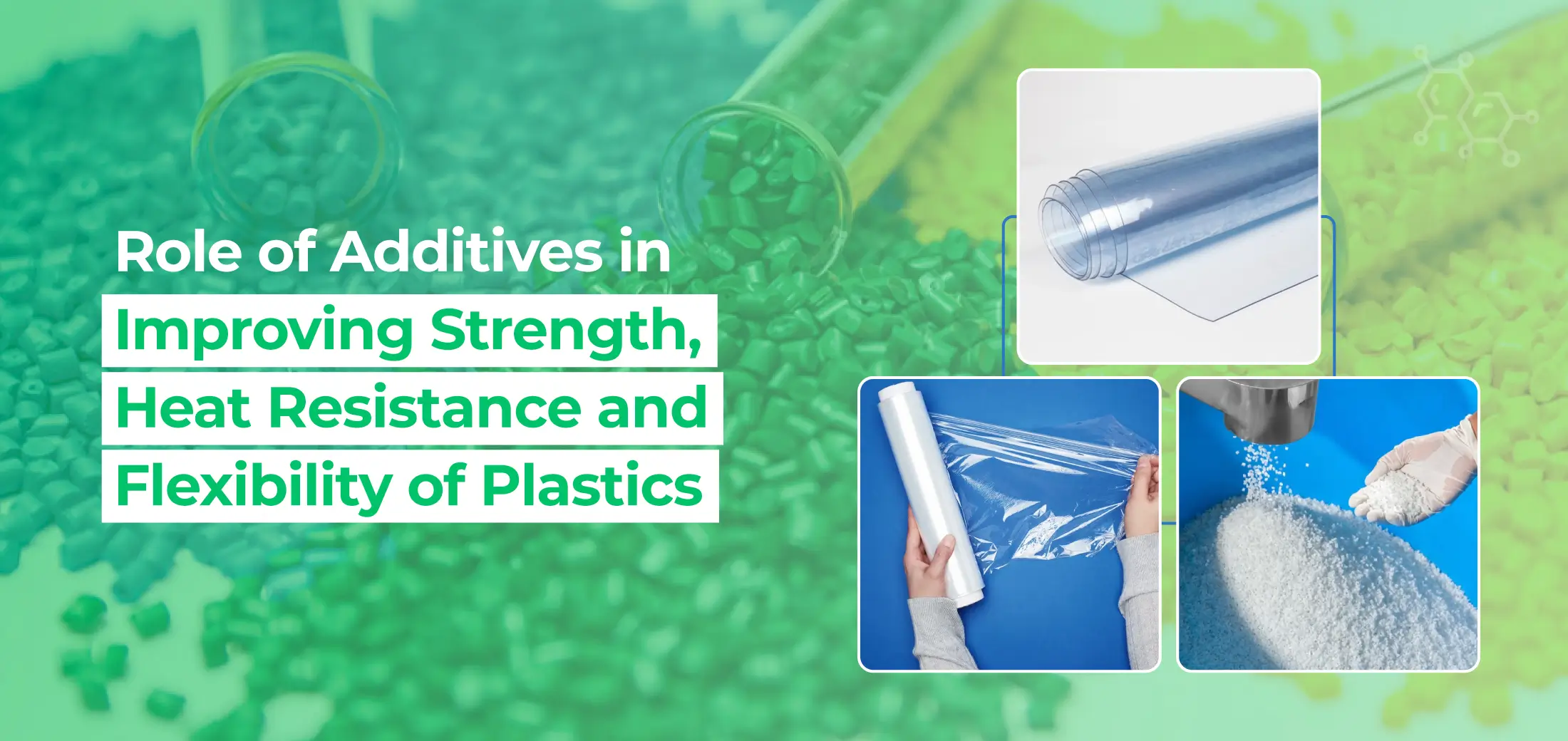
This is where additives play a crucial role. By enhancing key properties such as strength, heat resistance, and flexibility, additives help transform basic plastics into high-performance materials.
In this blog, we explore the importance of additives in plastics, how they improve material properties, and how the right formulations can optimize production and product performance.
Understanding the Role of Additives in Plastics
Additives are substances mixed with polymers during processing to modify and enhance their properties.
They are used to:
- Improve mechanical strength
- Enhance thermal stability
- Increase flexibility and durability
- Improve processing efficiency
- Extend product lifespan
Without additives, many plastic products would fail to meet industry standards and performance expectations.
Types of Additives Used in Plastics
1. Stabilizers
- Improve heat resistance
- Prevent degradation during processing
- Enhance product lifespan
2. Plasticizers
- Increase flexibility and softness
- Improve workability
- Reduce brittleness
3. Lubricants
- Reduce friction during processing
- Improve material flow
- Prevent sticking to machinery
4. Fillers & Reinforcements
- Increase strength and rigidity
- Improve dimensional stability
- Reduce material costs
A balanced combination of these additives is essential to achieve the desired plastic properties.
How Additives Improve Plastic Performance
1. Enhancing Strength
Additives like fillers and reinforcements help:
- Improve load-bearing capacity
- Increase durability
- Enhance resistance to wear and tear
2. Improving Heat Resistance
Stabilizers play a key role in:
- Preventing thermal degradation
- Maintaining structural integrity at high temperatures
- Extending product life in demanding environments
3. Increasing Flexibility
Plasticizers contribute to:
- Better flexibility and elasticity
- Reduced cracking and brittleness
- Improved performance in dynamic applications
What Happens Without the Right Additives?
1. Reduced Product Strength
- Increased breakage and failure
- Poor durability
2. Low Heat Stability
- Deformation under high temperatures
- Material degradation during processing
3. Lack of Flexibility
- Brittleness
- Cracking under stress
4. Processing Challenges
- Poor material flow
- Sticking to molds
- Inconsistent output
Common Mistakes in Additive Selection
Manufacturers often face issues due to:
- Using incorrect additive combinations
- Prioritizing cost over performance
- Ignoring compatibility between additives
- Not testing formulations before production
Avoiding these mistakes ensures better product quality and efficient processing.
Role of Metallic Stearates in Plastic Additives
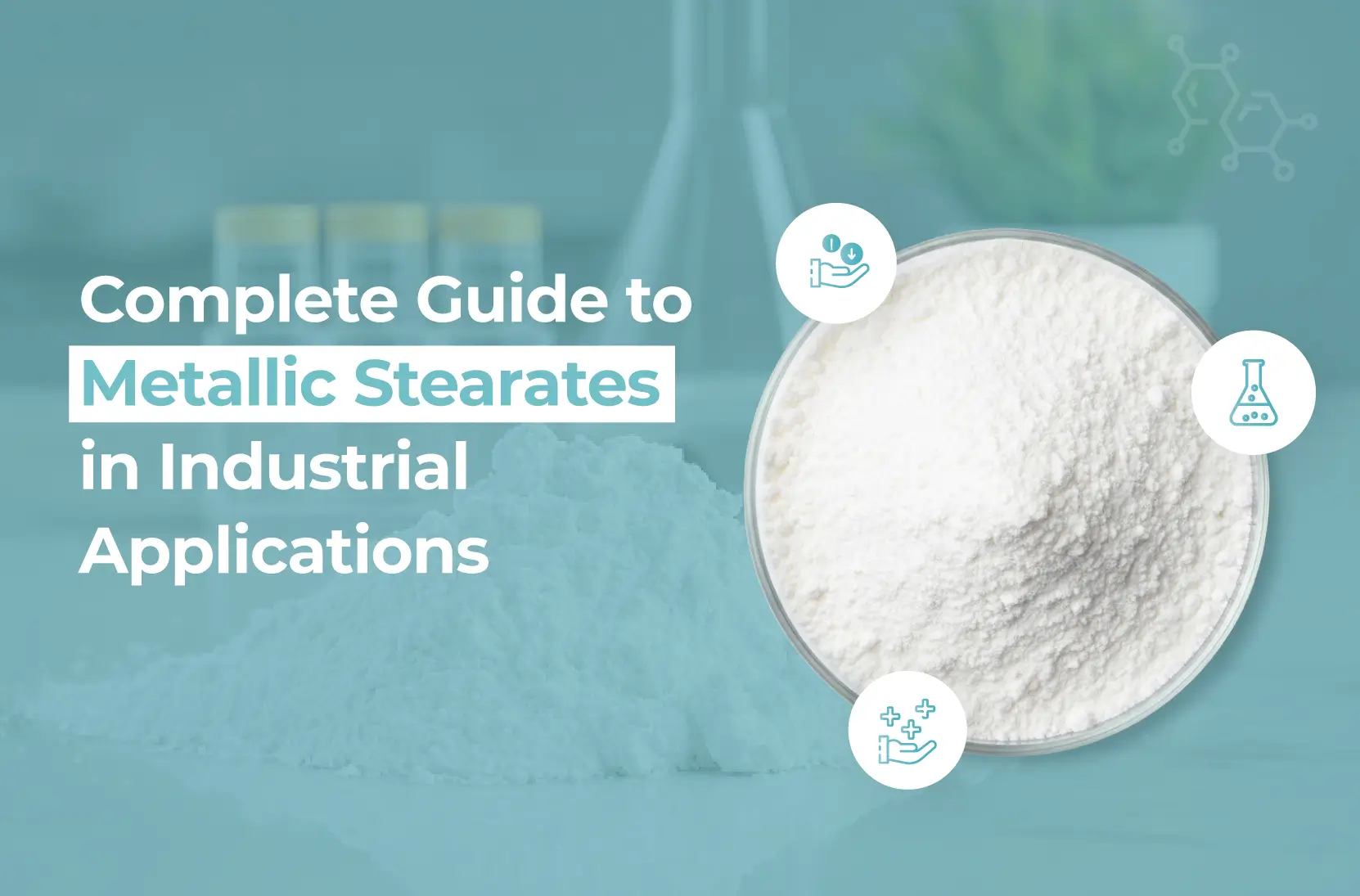
Metallic stearates are widely used multifunctional additives in plastic manufacturing.
Key Benefits:
- Act as effective lubricants
- Improve processing efficiency
- Enhance surface finish
- Reduce friction and wear
Common Types:
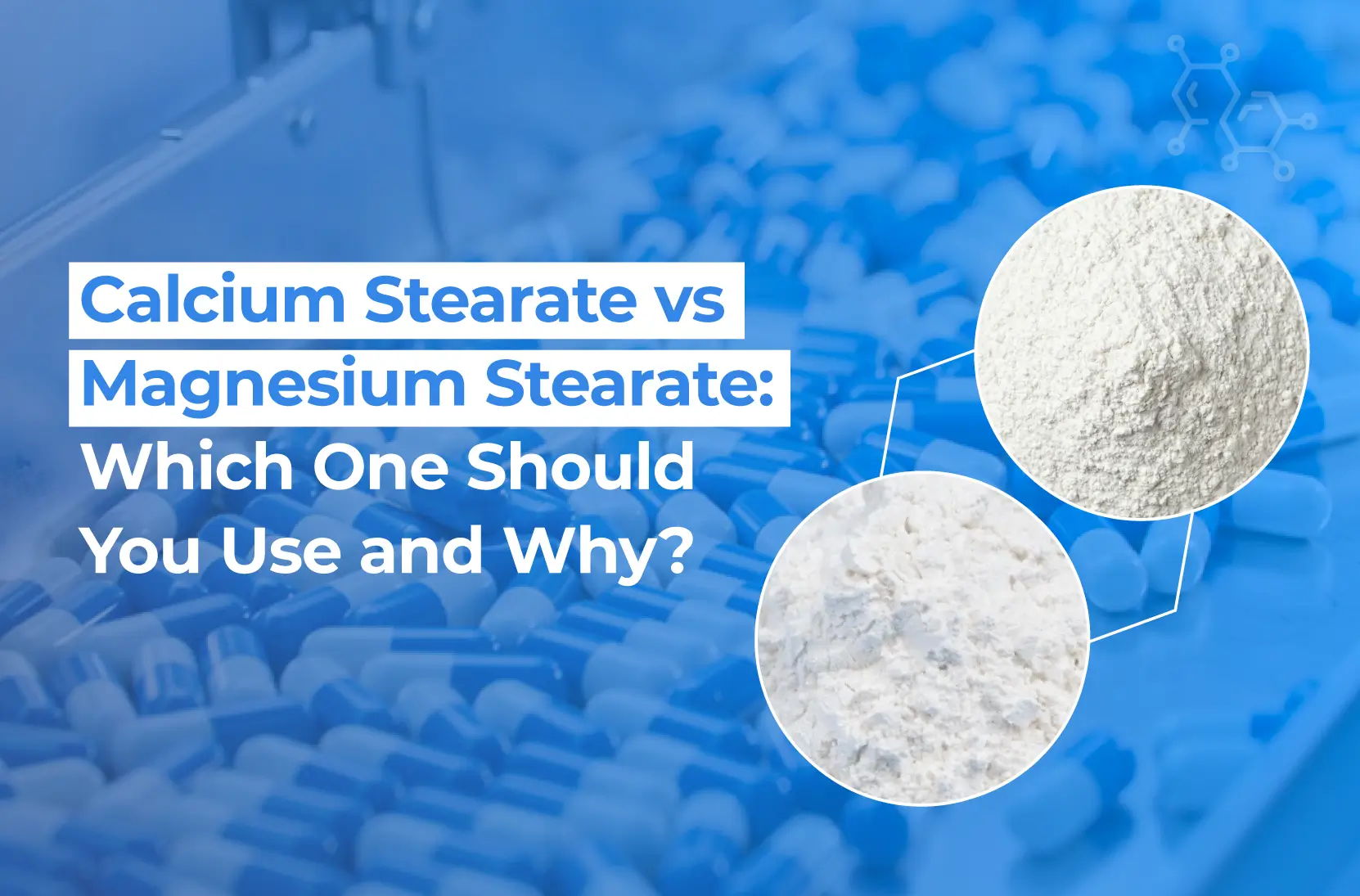
- Calcium stearate
- Magnesium stearate
They play a crucial role in maintaining smooth production and consistent product quality.
How the Right Additives Improve Production Efficiency
Choosing the correct additive combination helps optimize both processing and product performance, leading to smoother and more cost-effective operations.
Smooth Processing
The right additives improve material flow and reduce friction, ensuring uniform melting and easy processing. This results in faster cycles and less stress on machinery.
Enhanced Product Quality
They help achieve better surface finish, consistent structure, and improved strength-reducing defects and ensuring reliable output.
Reduced Downtime
By preventing sticking and processing issues, additives minimize machine stoppages and maintenance interruptions, keeping production running smoothly.
Cost Optimization
Efficient additive use reduces material wastage, lowers energy consumption, and cuts maintenance costs-improving overall profitability.
How to Choose the Right Additives
Selecting the right additives is crucial for achieving the desired balance between performance, efficiency, and cost in plastic manufacturing. A well-informed approach helps avoid production issues and ensures consistent product quality.
1. Understand Your Application
Different industries and products require specific material properties. For example, packaging materials may need flexibility, while construction materials require strength and durability. Clearly defining the end-use application helps in selecting the most suitable additive combination.
2. Evaluate Processing Conditions
Processing parameters such as temperature, pressure, and machinery type play a significant role in additive performance. Additives must be capable of withstanding these conditions without degrading or affecting the material negatively.
3. Ensure Compatibility
It is important to ensure that all additives used in a formulation are compatible with each other and with the base polymer. Poor compatibility can lead to defects like uneven surfaces, reduced strength, or processing difficulties.
4. Focus on Long-Term Performance
While cost is an important factor, prioritizing quality ensures better long-term results. High-quality additives improve durability, reduce maintenance issues, and enhance overall production efficiency.
5. Work with Expert Manufacturers
Collaborating with experienced additive manufacturers can make a significant difference. They provide technical expertise, customized solutions, and guidance to help you select the most effective additive formulation for your specific needs.
Why Choose Nimbasia Stabilizers as Your Additive Partner?
Selecting the right additive partner is just as important as choosing the additives themselves. Nimbasia Stabilizers has built a strong reputation as a trusted provider of PVC additives and plastic solutions, helping manufacturers achieve consistent quality and efficient production.
Expertise in Additives
With extensive industry experience, Nimbasia Stabilizers specializes in high-performance additives, including stabilizers and metallic stearates. Their products are widely used across plastics, PVC, and rubber industries, ensuring reliable performance in diverse applications.
High-Performance Solutions
Their additives are engineered to enhance key material properties and processing efficiency. They are designed to:
- Improve the strength and durability of end products
- Enhance heat resistance for demanding conditions
- Increase flexibility and overall processability
Consistent Quality & Reliability
Maintaining strict quality control standards, Nimbasia Stabilizers ensures uniformity in every batch. This consistency helps manufacturers avoid production disruptions and maintain stable output quality.
Customized Formulations
Understanding that every production line has unique requirements, they offer tailored additive solutions. These customized formulations are designed to align with specific processing conditions and end-use applications.
Technical Support & Guidance
Beyond supplying additives, their expert team provides valuable technical assistance. From product selection to formulation optimization, they help manufacturers choose the right additive combinations for maximum efficiency and performance.
Expert Tips for Optimizing Plastic Performance
- Test additive formulations before large-scale production
- Maintain the right balance between different additives
- Monitor product quality regularly
- Partner with experienced additive manufacturers
What Manufacturers Often Overlook
Key factors often ignored include:
- Long-term impact of additive selection
- Compatibility between multiple additives
- Process-specific customization
- Hidden costs of poor-quality materials
Addressing these aspects improves both efficiency and product performance.
Final Thoughts
Additives play a critical role in enhancing the strength, heat resistance, and flexibility of plastics. Without the right combination, even high-quality polymers may fail to deliver the desired performance.
By choosing the right additives and working with reliable partners like Nimbasia Stabilizers, manufacturers can achieve superior product quality, efficient processing, and long-term cost savings.