PVC (Polyvinyl Chloride) is one of the most widely used materials in industries such as construction, interiors, electricals, and furniture. Its durability, cost-effectiveness, and versatility make it a popular choice for products like panels, pipes, doors, and modular furniture.
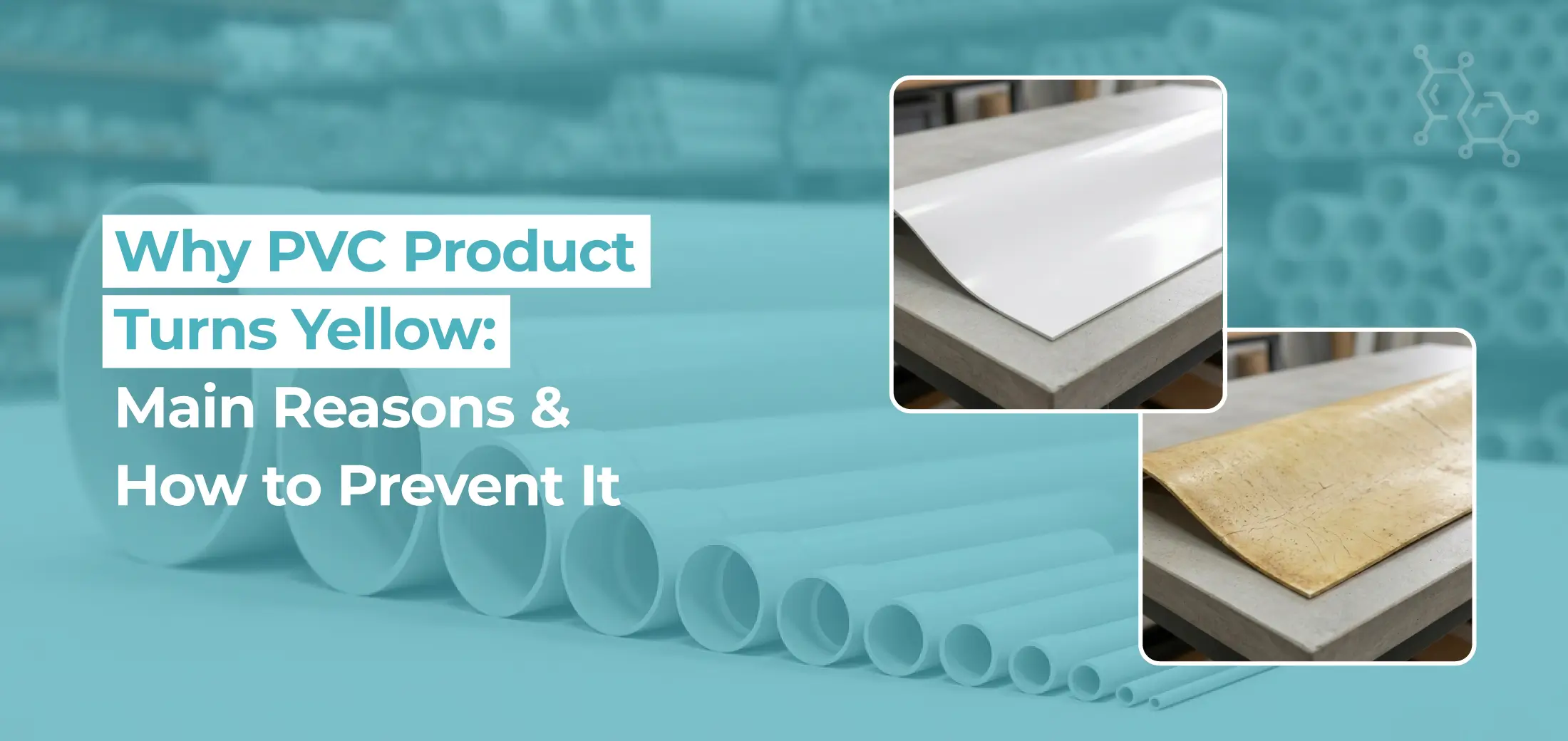
However, a common issue many users face is PVC turning yellow over time. This discoloration not only affects the appearance but can also indicate underlying material degradation.
In this blog, we'll explore the causes of PVC yellowing, how to prevent it, and effective solutions, along with the importance of choosing the right PVC additives manufacturer.
Understanding PVC Yellowing
PVC yellowing refers to the gradual change in color of white or light-colored PVC products into a yellowish tone.
Types of Yellowing:
- Surface Yellowing: Caused by dirt, grease, or environmental exposure
- Material Degradation: Caused by internal chemical changes in PVC
Why It Matters?
- Reduces product aesthetics
- Affects brand perception
- May indicate reduced durability
Common PVC Products Affected:
PVC yellowing can occur across various applications, including:
- Modular furniture (kitchen cabinets, wardrobes)
- Wall panels and ceiling panels
- Doors and window frames
- Pipes and electrical fittings
Main Causes of PVC Yellowing:
1. UV (Sunlight) Exposure
Prolonged exposure to ultraviolet rays breaks down the chemical structure of PVC, leading to discoloration.
2. Heat & High Temperature
High temperatures accelerate chemical reactions, especially in kitchens and industrial environments.
3. Oxidation (Natural Aging)
Over time, PVC reacts with oxygen, causing gradual yellowing.
4. Low-Quality Additives
Using inferior stabilizers or poor-quality raw materials can significantly increase the chances of yellowing.
5. Chemical Exposure
Harsh cleaning agents, acids, or environmental pollutants can react with PVC surfaces.
6. Poor Maintenance & Dirt Build-Up
Accumulated dust, grease, and grime can create a yellowish appearance.
7. Plasticizer Loss
Loss or migration of internal additives can lead to discoloration and brittleness.
The Role of PVC Additives in Preventing Yellowing
The quality of additives used during manufacturing plays a crucial role in preventing discoloration.
Key additives include:
- Heat stabilizers
- UV stabilizers
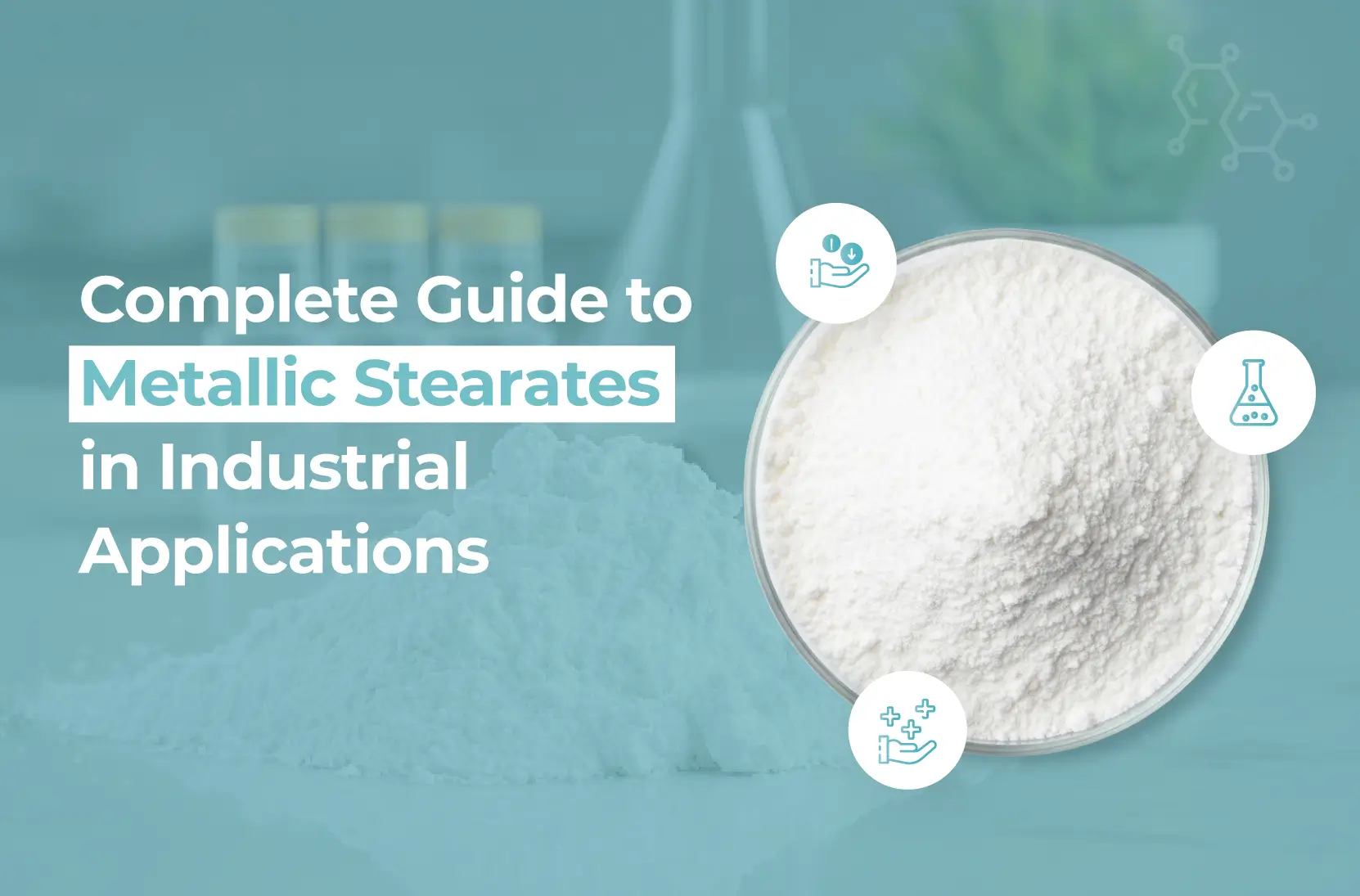
- Lubricants such as metallic stearates
High-performance additives improve thermal stability, reduce degradation, and help maintain the original color of PVC products.
How to Identify the Cause of Yellowing?
Understanding the root cause helps in choosing the right solution:
- Uniform yellowing: Likely due to UV exposure or aging
- Patchy discoloration: Caused by dirt or chemical exposure
- Surface vs deep damage: Determines whether cleaning or replacement is required
Preventive Measures (How to Avoid PVC Yellowing):
1. Choose High-Quality PVC Materials
Selecting products made with premium stabilizers ensures long-term durability.
2. Use UV-Stabilized PVC
Essential for outdoor or sunlight-exposed applications.
3. Ensure Proper Installation
Avoid direct sunlight exposure
Maintain good ventilation
4. Follow Regular Cleaning Practices
Use mild soap and water
Avoid harsh chemicals
5. Control Heat Exposure
Minimize exposure to high temperatures in enclosed spaces.
Solutions to Fix Yellowed PVC:
1. Basic Cleaning Methods
- Soap and water
- Baking soda paste
- Vinegar solution
2. Deep Cleaning & Restoration
- Specialized PVC cleaners
- Professional polishing
3. Painting or Coating
- Use PVC-compatible paints
- Apply protective coatings
4. Replacement (When Necessary)
If discoloration is due to internal degradation, replacement may be the best option.
Common Mistakes to Avoid:
- Using low-quality PVC materials
- Ignoring early signs of yellowing
- Using harsh chemical cleaners
- Lack of regular maintenance
Expert Tips for Long-Lasting PVC:
- Use high-quality stabilizers and additives
- Avoid prolonged UV exposure
- Maintain regular cleaning routines
- Inspect products periodically
- Partner with trusted manufacturers
Why Choose Nimbasia Stabilizers for Long-Lasting PVC?
When it comes to preventing PVC yellowing and ensuring long-term performance, choosing the right additive partner is essential. Nimbasia Stabilizers is a trusted name in the industry, known for delivering high-quality and reliable solutions.
Expertise in PVC Stabilizers & Additives
Nimbasia Stabilizers is a leading PVC stabilizer manufacturer offering advanced solutions that improve thermal stability and prevent discoloration.
High-Performance Metallic Stearates
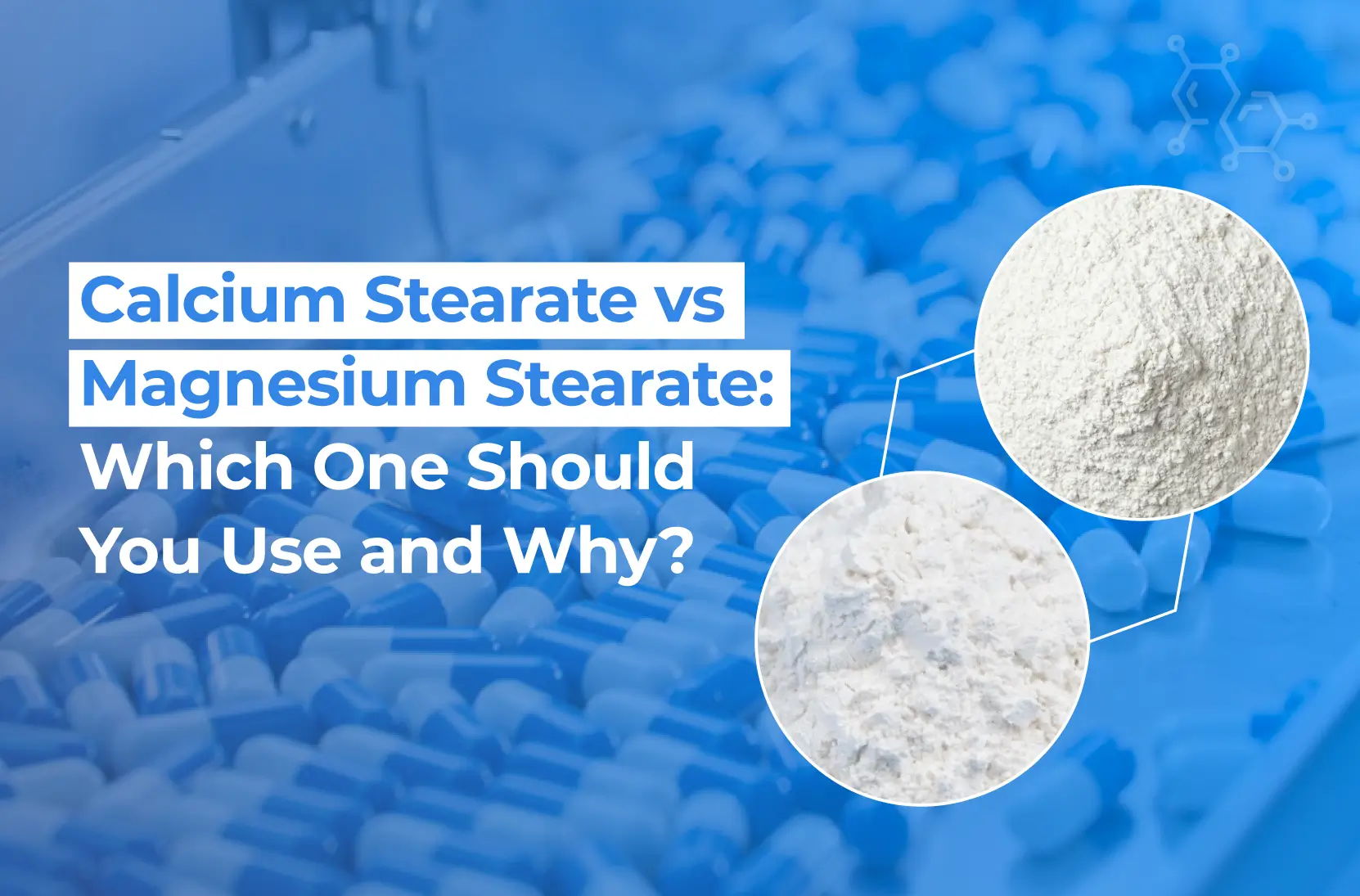
As a reliable metallic stearates manufacturer, the company produces calcium stearate and magnesium stearate that enhance lubrication, processing efficiency, and product finish.
Consistent Quality & Industry Compliance
The company ensures strict quality control, making it a dependable PVC additives supplier in India for various industrial applications.
Customized Solutions for Manufacturers
Nimbasia Stabilizers provides tailored formulations to meet specific requirements, helping manufacturers achieve optimal performance.
Technical Support & Industry Knowledge
With deep industry expertise, the company offers guidance in selecting the right additives to reduce issues like yellowing and improve product lifespan.
Final Thoughts
PVC yellowing is a common but preventable issue. By understanding its causes and using the right materials, you can significantly extend the life and appearance of your products.
Most importantly, working with a reliable additive partner like Nimbasia Stabilizers ensures better performance, durability, and long-term color stability.