When sourcing chemical ingredients and specialty additives, product quality is only one part of the decision. Industrial buyers also need consistency, traceability, regulatory compliance, reliable documentation, and dependable supply.
For manufacturers, even small variations in raw materials can affect processing, product performance, and production efficiency. This makes quality control in chemical manufacturing an important consideration when selecting a long-term supplier.
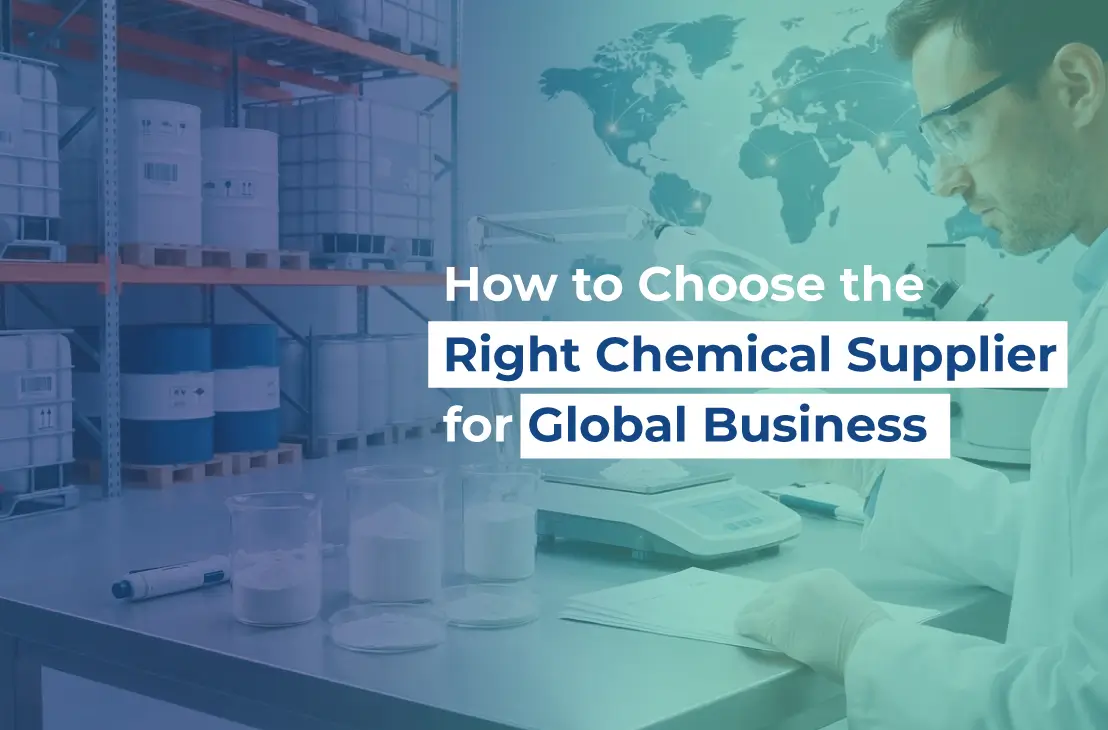
Whether you're sourcing metallic stearates, lubricating agents, PVC additives, or other specialty chemicals, understanding what to look for in a manufacturer can help reduce formulation risks and support consistent production.
Why Quality Control Matters in Chemical Manufacturing
Chemical products often become critical components of larger manufacturing processes. Their performance can influence everything from processing behaviour to the quality of the finished product.
Strong quality control helps manufacturers achieve:
- Consistent product performance
- Batch-to-batch uniformity
- Reliable processing
- Better formulation control
- Reduced production issues
- Improved product quality
- Greater supply confidence
For industrial buyers, choosing a manufacturer with a structured quality system is therefore more important than simply comparing product prices.
What Should Industrial Buyers Look for in a Chemical Manufacturer?
1. Consistent Batch Quality
Consistency is one of the most important factors when purchasing industrial chemicals.
A reliable manufacturer should maintain controlled production processes and quality checks to ensure that products meet defined specifications from batch to batch.
For buyers, this means fewer unexpected variations during formulation and production.
2. Quality Certifications
Certifications can provide valuable insight into a manufacturer's commitment to structured quality and operational controls.
When evaluating a supplier, buyers should look for relevant certifications based on the product and application, such as:
- ISO 9001 for quality management
- ISO 14001 for environmental management
- ISO 45001 for occupational health and safety
- FSSC 22000 for applicable food-related manufacturing
Certifications should be viewed alongside actual manufacturing capabilities and quality practices rather than as the only measure of product quality.
3. Raw Material Control
Quality control starts before manufacturing begins.
A dependable chemical manufacturer should have processes for evaluating and controlling incoming raw materials. Consistent raw material quality helps create greater consistency in the final product.
Industrial buyers should consider asking:
- How are raw materials evaluated?
- Are suppliers qualified?
- Are incoming materials tested?
- How are materials stored and handled?
4. In-Process Quality Monitoring
Quality should not be checked only after production is complete.
Effective manufacturers monitor critical parameters throughout the manufacturing process. This allows potential variations to be identified and addressed before the final product reaches the customer.
This becomes particularly important for specialty chemicals where specific physical and chemical characteristics can influence downstream processing.
5. Final Product Testing
Before products are released, manufacturers should conduct appropriate quality checks against predefined specifications.
Depending on the product, testing may cover parameters such as:
- Purity
- Moisture
- Particle size
- Melting point
- Active content
- Physical appearance
- Chemical composition
- Other application-specific specifications
The exact testing requirements will vary depending on the chemical and its intended application.
Documentation and Traceability Matter Too
For industrial buyers, quality is not limited to the physical product.
Good documentation provides transparency throughout the supply chain. Buyers may require documents such as:
- Certificate of Analysis (COA)
- Safety Data Sheet (SDS)
- Product specifications
- Batch information
- Regulatory documentation
- Technical data sheets
Batch traceability is particularly important because it helps manufacturers identify and investigate issues efficiently if they arise.
Regulatory and Compliance Requirements
Chemical manufacturers supplying different industries and markets may need to meet specific regulatory requirements.
Industrial buyers should evaluate whether a supplier can provide the documentation and compliance information relevant to their application and destination market.
This becomes especially important for companies purchasing chemicals for:
- Food and nutraceutical applications
- Pharmaceuticals
- Personal care
- Plastics and polymers
- Rubber
- Industrial manufacturing
A supplier's ability to maintain appropriate documentation can make procurement and regulatory processes significantly smoother.
Manufacturing Capacity and Process Control
Quality and production capacity often go hand in hand.
A manufacturer with well-controlled production systems should be able to maintain consistent quality while meeting customer requirements for volume and delivery.
Buyers should consider:
- Production capacity
- Process consistency
- Quality-control infrastructure
- Storage facilities
- Packaging capabilities
- Supply continuity
- Ability to handle recurring orders
A supplier may produce an excellent product, but if supply is inconsistent, it can still create challenges for industrial customers.
Technical Support Is an Added Advantage
Chemical procurement is not always as simple as selecting a product from a catalogue.
Industrial buyers may need support with:
- Product selection
- Application suitability
- Dosage or loading levels
- Processing requirements
- Compatibility
- Formulation optimisation
- Troubleshooting
A manufacturer with technical expertise can therefore provide value beyond simply supplying the chemical.
What Makes a Chemical Supplier a Reliable Long-Term Partner?
A reliable chemical supplier should offer more than competitive pricing. Industrial buyers should look for a combination of:
Product consistency + quality systems + documentation + technical expertise + supply reliability.
When these factors work together, manufacturers can reduce formulation uncertainty and build greater confidence in their production processes.
Questions Industrial Buyers Should Ask Before Choosing a Chemical Manufacturer
Before finalizing a supplier, consider asking:
- Does the manufacturer have relevant quality certifications?
- How is batch-to-batch consistency maintained?
- What quality tests are performed?
- Can the supplier provide COA and SDS documentation?
- Is batch traceability available?
- Can the manufacturer meet required production volumes?
- Does the supplier provide technical support?
- Can products be customised for specific applications?
- Does the manufacturer have experience serving international markets?
These questions can help buyers evaluate suppliers beyond price and identify manufacturers capable of supporting long-term requirements.
Why Nimbasia Focuses on Quality and Consistency
Nimbasia Stabilizers brings decades of experience in the manufacturing of specialty industrial additives, including metallic stearates, 12-hydroxy stearates, lubricating agents, and other chemical solutions.
Its quality-focused manufacturing approach is supported by certifications including ISO 9001:2015, ISO 14001:2015, ISO 45001:2018, and FSSC 22000, supporting structured quality, environmental, safety, and applicable food-safety management practices.
For industrial customers, this combination of manufacturing expertise, quality systems, and technical understanding can help support consistent product performance across applications.
Conclusion
Selecting the right chemical manufacturer involves looking beyond price to evaluate the systems that ensure consistent quality, regulatory compliance, and dependable supply. For industrial buyers, factors such as batch-to-batch consistency, quality certifications, traceability, documentation, process control, and technical support can significantly influence production efficiency and long-term business success.
A manufacturer with a structured quality-control approach helps reduce formulation uncertainty, minimize production risks, and build confidence across every order. Nimbasia Stabilizers combines decades of manufacturing expertise with internationally recognized quality management systems, offering industrial customers reliable specialty additives backed by consistent processes and comprehensive documentation. For businesses seeking a long-term chemical supply partner, prioritizing quality and consistency is an investment in smoother operations and more dependable results.
Frequently Asked Questions (FAQs)
-
What is quality control in chemical manufacturing?
Quality control involves testing, monitoring, and maintaining chemical products to ensure they consistently meet defined specifications and application requirements.
-
Why is batch consistency important in chemical manufacturing?
Consistent batches help manufacturers maintain predictable processing, formulation performance, and finished-product quality.
-
What certifications should industrial chemical buyers look for?
Relevant certifications may include ISO 9001, ISO 14001, ISO 45001, and FSSC 22000, depending on the manufacturer's products and applications.
-
What documents should a chemical manufacturer provide?
Common documents include COA, SDS, technical data sheets, product specifications, and relevant regulatory documentation.
-
How does Nimbasia maintain chemical product quality?
Nimbasia combines controlled manufacturing processes, quality management systems, product testing, and technical expertise to support consistent specialty chemical products.
-
Why choose Nimbasia as a chemical manufacturer?
Nimbasia offers specialty industrial additives backed by manufacturing experience, quality certifications, technical expertise, and a focus on consistent product performance.